


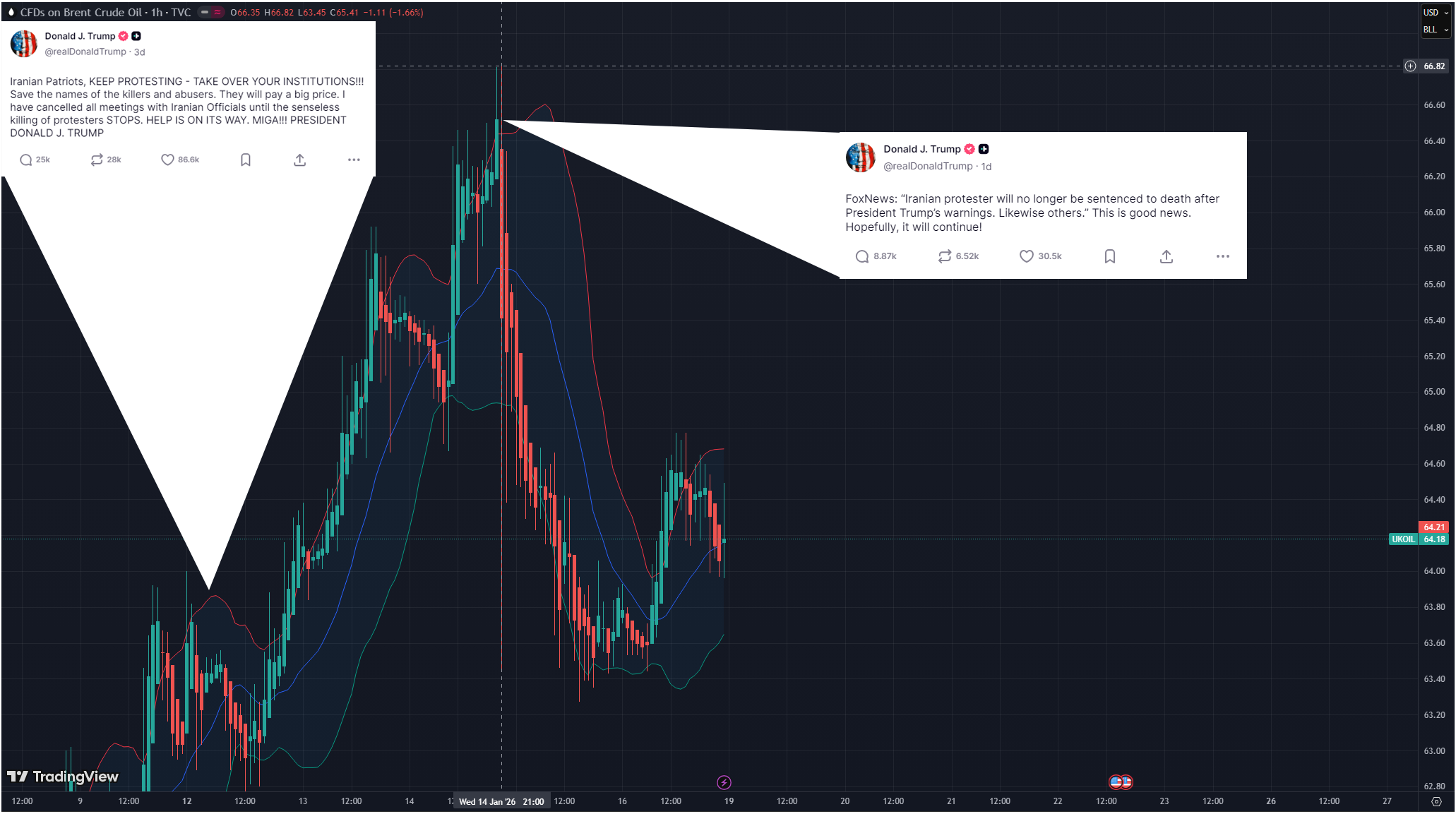
One moment, prices are plummeting on whispers of a global slowdown; the next, they’re screaming higher because of a new conflict in a vital shipping lane. A trader might wake up to see Brent crude down 3%, confirming their bearish convictions about weakening industrial demand. By the afternoon, an unexpected OPEC+ announcement has sent the price rocketing up 5%, erasing all losses and leaving market participants questioning their every instinct. This kind of whiplash-inducing price action can make even seasoned energy analysts feel like they’re navigating a minefield blindfolded.
This chaos raises a fundamental question that strikes at the heart of modern finance: If markets are truly efficient, how can we explain these wild, seemingly predictable runs and reversals in a commodity as crucial as oil? This apparent contradiction leads many to doubt the Efficient Market Hypothesis (EMH), the cornerstone theory suggesting that all available information is already baked into an asset’s price. If the market has already priced everything in, from tanker movements to whispered central bank conversations, how can we see trends and what appear to be clear opportunities for profit? The answer, it turns out, doesn’t require us to discard the EMH. Instead, by looking deeper into the structure of the options market—specifically, the volatility surface—we can gain a more nuanced understanding of what the market is “thinking.” By treating the volatility surface not as a sign of mispricing but as a sophisticated forecast, we can reconcile the seeming chaos of daily price movements with the elegant logic of an efficient market. The volatility surface is a roadmap, and learning to read it can transform our perspective on risk, opportunity, and the very nature of price itself.
The Efficient Market Hypothesis and Its Discontents
E[S_T | S_t = X] = e^(r(T-t)) * X
This formula is a fundamental concept in financial mathematics, particularly in the context of the Black-Scholes model for option pricing.
